Posted on 12/19/2025
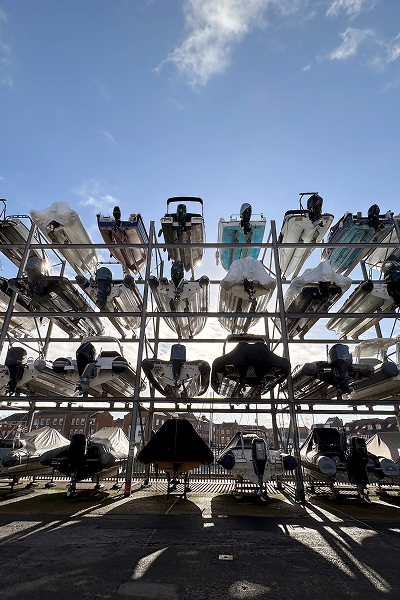
Cooler mornings, shorter days, and emptier marinas are all signs that boating season is winding down. Even in a place that feels as mild as Southern California, winter is when small issues have months to get worse while the boat sits. A simple checklist now can keep corrosion, dead batteries, and mystery leaks from greeting you on the first warm weekend of spring. Think of winter prep as protecting your time on the water, not just your hardware. Why Winter Prep Matters Even in Mild Climates It is easy to look at our weather and assume winterizing is only for boats that face ice and snow. The truth is, long periods of sitting unused are tough on any boat, especially around saltwater. Fuel can go stale, batteries slowly discharge, and small leaks turn into real damage when no one is aboard to spot them. Salt in fittings and hardware keeps working while the boat is tied up. Moist air sneaks into cabins and lockers and quietly feeds mold. When we help owners with winte ... read more
Posted on 11/28/2025
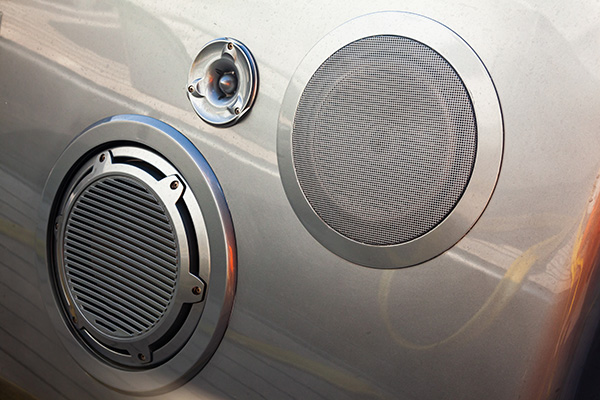
Open water changes how a system needs to sound. Engines, wind, and distance swallow midrange, while salt and spray test every connector. The best upgrades focus on marine-rated hardware, clean power delivery, and simple controls you can use confidently at speed. What Makes Marine Audio Different Boats live in moisture, UV, and vibration. Look for IP-rated, UV-stabilized gear with corrosion-resistant baskets, sealed crossovers, and coated circuit boards. Tinned OFC wire, heat-shrink terminals, and sealed fuse blocks are not nice to have, they are required. A good marine system also plans for drainage and service loops so components survive washdowns and seasonal storage. Plan Your Zones and Listening Goals Cabins, cockpits, flybridges, and swim platforms need different volume and tone. Decide where music matters most, then create zones with independent level control. Quiet cabins benefit from warm mids. Open decks need efficient speakers that stay c ... read more
Posted on 10/31/2025

Salt, sun, and spray are hard on every surface aboard, and your seating pays the price first. Foam packs down, vinyl gets chalky, stitching loosens, and mildew creeps into corners you cannot see. You can keep cruising with tired cushions, but you pay for it in comfort, appearance, and resale value. A proper upholstery restoration does more than refresh the look. It protects the structure underneath, improves day-to-day use, and makes the yacht easier to sell when the time comes. Why Marine Upholstery Fails Faster Than Home Furniture Marine cushions live outdoors for much of the season. UV breaks down vinyl topcoats and weakens thread. Salt pulls moisture into seams and foam, then leaves crystals behind as it dries. Repeated wet and dry cycles degrade adhesive layers and backing fabrics. Even careful owners see stitching open up and foam loses its rebound. Once water enters the cushion core, mildew follows, and the breakdown speeds up. Foam Quality Makes or B ... read more
Posted on 9/26/2025
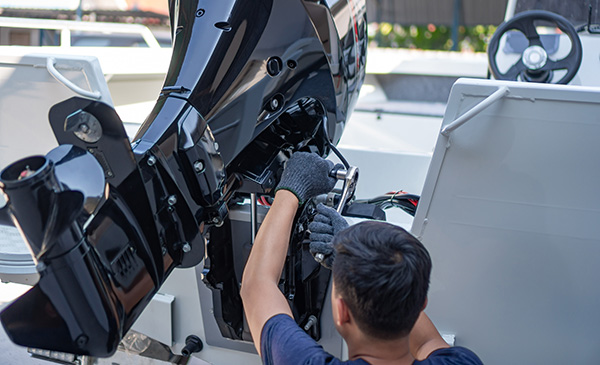
Out at sea or docked at the marina, your boat relies on its electrical system for far more than just lights. It powers everything from your GPS to your bilge pump and your communications gear. If something starts to go wrong with the wiring or power supply, you may not have much warning before you're left without essential systems. Electrical problems on boats are often subtle at first. A flickering display or slow-starting pump might seem minor, but they often signal deeper issues. If ignored, they can quickly turn into safety risks or costly damage. Here are five signs that it’s time to have your boat’s electrical system checked by a professional. 1. Your Lights or Electronics Are Flickering If your cabin lights dim when you turn something on, or your depth finder cuts out when the engine starts, there’s likely a voltage problem. This can happen when the battery is failing or when connections are weak or corroded. Flickering lights or glitch ... read more
Posted on 8/29/2025

Every trailer on the road is a chance to showcase your brand. Trailer wrapping takes advantage of that by turning flat, highly visible surfaces into dynamic, mobile advertisements. Instead of letting your trailers blend into traffic, a full-color wrap instantly commands attention and ensures your brand message is remembered. Whether parked in a busy lot or moving through traffic, wrapped trailers catch eyes in a way that static marketing can’t match. Advertising That Works Around the Clock Think of trailer wraps as silent salespeople working 24/7. Unlike billboards or print ads, which incur regular costs and reach only a limited audience, a one-time trailer wrap remains visible for years without additional fees. It travels where your brand needs to be—on highways, through neighborhoods, and outside job sites. Every mile equals exposure, making trailer wraps one of the most efficient marketing investments available. Eye-Catching and Memorable ... read more