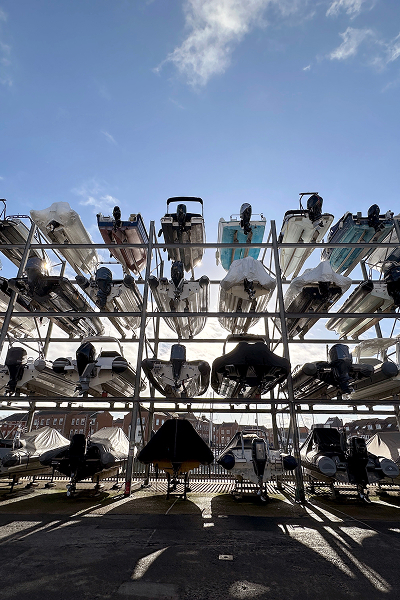
Cooler mornings, shorter days, and emptier marinas are all signs that boating season is winding down. Even in a place that feels as mild as Southern California, winter is when small issues have months to get worse while the boat sits. A simple checklist now can keep corrosion, dead batteries, and mystery leaks from greeting you on the first warm weekend of spring.
Think of winter prep as protecting your time on the water, not just your hardware.
Why Winter Prep Matters Even in Mild Climates
It is easy to look at our weather and assume winterizing is only for boats that face ice and snow. The truth is, long periods of sitting unused are tough on any boat, especially around saltwater. Fuel can go stale, batteries slowly discharge, and small leaks turn into real damage when no one is aboard to spot them.
Salt in fittings and hardware keeps working while the boat is tied up. Moist air sneaks into cabins and lockers and quietly feeds mold. When we help owners with winter prep, our goal is simple: make sure your boat or yacht is ready to leave the slip in the spring without a long list of surprises.
Inspect and Protect Your Hull and Topsides
Start with the parts that meet the water and the sun. If you are hauling out, winter is the perfect time to really look over the hull. Check for blisters, dings, and any signs of impact around the keel, chines, and running gear. Those small marks are easier to fix on your schedule than after they spread.
Above the waterline, look for cracks in gelcoat, loose rail fittings, and tired caulking around windows, hatches, and deck hardware. UV breaks things down slowly, and winter is often when rain finally finds its way through a weak seal. Touching up these areas now helps keep the interior dry and protects core materials from long term moisture damage.
Fuel, Fluids, and Engine Protection for the Off-Season
Engines do not like sitting with old fuel and neglected fluids. Before the boat rests for a while, top off fuel tanks to reduce condensation, and use a quality marine fuel stabilizer. That simple step helps prevent varnish and gum from forming in lines and injectors.
Engine oil and filters should be changed before storage, not after. Used oil holds acids and contaminants that can attack bearings and internal surfaces over the winter. Do the same with gear lube in outdrives and lower units, checking for any metal or milky fluid that might signal water intrusion. Our technicians often spot developing problems during these fluid changes, which gives you time to address them before the next season.
Batteries, Shore Power, and Electrical Systems
Batteries are one of the most common winter headaches. A battery that would have been fine with a little care can be ruined by months of slow discharge. Decide whether your setup makes more sense for onboard maintenance charging or removal and storage in a cool, dry place. Either way, start by cleaning terminals, checking fluid levels on serviceable batteries, and making sure connections are tight.
If you leave the boat on shore power, confirm that chargers are set correctly and that you are not relying on questionable cords or outlets. Look at wiring and connections near the bilge and engine bay for corrosion or chafing. Catching a crusty terminal or frayed cable now is much easier than tracking down electrical gremlins when you are trying to launch on a busy weekend.
Interior, Moisture Control, and Mold Prevention
Cabins and enclosed spaces need just as much attention as engines. Even in a mild winter, closed-up interiors trap moisture. Over time that leads to musty smells, mildew on soft surfaces, and stains that never quite go away.
Simple steps help a lot:
- Clean and dry carpets, cushions, and upholstery before leaving the boat for long periods
- Use moisture absorbers or a small marine-rated dehumidifier if power is available
- Prop open lockers, interior doors, and under-berth storage for better air circulation
We have seen boats that smelled nearly new in spring because the owner took an extra hour to ventilate and dry everything out before walking away for the season.
Safety Gear and Onboard Essentials to Check Before Winter
Winter is an ideal time to bring safety gear home, inspect it in good light, and replace what is tired. Check life jackets for damage, broken buckles, and faded or missing labels. Look at flares and signaling devices for expiration dates. Fire extinguishers should be inspected and replaced if they are out of date or damaged.
Do the same with your basic onboard tools, spare fuses, and emergency kits. Replace anything that has rusted, leaked, or gone missing. When we walk through a winter checklist with owners, we like to treat safety gear as a separate category so it does not get buried under mechanical tasks.
Get Winter Boat and Yacht Prep in San Diego, CA with Bulletproof Marine Services
If you would rather step aboard in spring and focus on the horizon instead of a repair list, a proper winter checklist is worth the time. We can go through your hull, engines, electrical system, and cabin, then handle the winter prep that fits how and where you use your boat.
Schedule winter boat and yacht prep in San Diego, CA with Bulletproof Marine Services, and we will help keep your vessel protected and ready for that first good-weather run.