Boat battery problems usually don't fail all at once. More often, the engine cranks a little slower, electronics seem weaker than usual, or the battery needs more help getting through a normal outing. Because the boat still starts some of the time, it is easy to tell yourself it has a little more life left.
That guess can get very expensive once you are away from the dock.
Signs The Battery Is Starting To Fall Behind
A weak battery gives a few warnings before it quits completely. The engine will crank slower than it used to, the trim or bilge pump may seem less responsive, or electronics may dim when several systems are on at once. These changes often show up gradually, which is why they get ignored.
One weak start does not always mean the battery is finished. A repeated pattern does. If the same battery keeps sounding tired after charging, it is already telling you reliability is slipping.
Why Marine Batteries Fail Differently Than Car Batteries
Boat batteries live a tougher life than most vehicle batteries. They deal with vibration, heat, moisture, longer periods of sitting, and repeated charge-discharge cycles that are harder on internal components. That is especially true if the battery powers more than just starting, such as lights, electronics, pumps, and accessories.
This is why age alone does not tell the whole story. A newer battery that has been deeply discharged too many times may be less reliable than an older one that has been cared for properly. In marine use, condition is always more important than assumptions.
What To Watch For Before It Leaves You Stuck
A few signs point to a battery that is no longer dependable enough to trust on the water.
- The engine cranks noticeably slower than it used to
- Electronics dim or reset more easily
- The battery needs frequent charging
- Voltage drops faster than it should under load
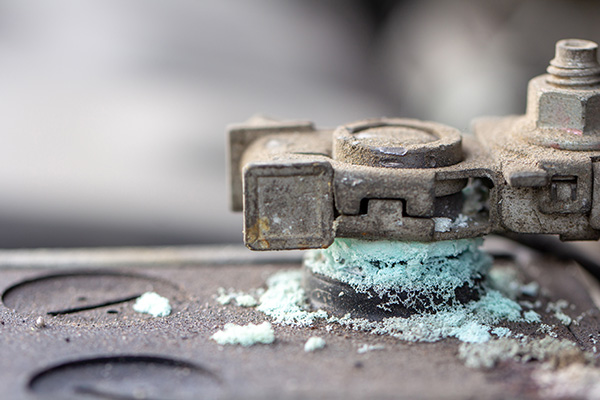
- The case looks swollen, damaged, or corroded
These warnings are worth taking seriously, even if the boat still starts. A battery does not need to fail completely before it becomes unreliable.
Charging The Battery Is Not The Same As Proving It Is Healthy
Many owners charge the battery, see the voltage rise, and assume the problem is solved. That only tells part of the story. A weak battery can accept a charge and still fail to hold it well, especially under real load.
That is why voltage alone is not enough. A battery may look fine right after charging, then drop off quickly once the engine is started or onboard systems begin drawing power. Reliability comes from how the battery performs, not just what the charger says when it is full.
Corrosion And Cable Problems Can Mimic Battery Failure
Not every battery complaint is actually the battery itself. Corroded terminals, loose cable connections, or damaged battery cables can create many of the same symptoms. The engine cranks slowly, accessories seem weak, and voltage delivery becomes inconsistent even if the battery is not completely worn out.
This is where a proper inspection saves the day. A battery replacement will not fix a bad cable end or poor connection, and those smaller issues are common in marine environments where moisture and corrosion are constant threats.
Why Sitting Too Long Shortens Battery Life
Boats often sit longer than cars, and that storage time is hard on batteries. If the battery is not properly maintained during downtime, it can slowly discharge, form internal sulfates, and lose capacity without any obvious warning. Then the next trip starts with a battery that looks charged enough on paper, but does not perform the way it should.
That is one reason regular maintenance makes such a difference with marine electrical systems. A battery that is tested, charged correctly, and kept clean usually lasts longer and gives fewer surprises than one that gets ignored until launch day.
When It Is Time To Stop Trusting the Battery
There is a difference between a battery that is still working and a battery that is still trustworthy. If you are questioning whether it will restart the boat after drifting for a while, sitting at anchor, or running electronics for part of the day, that battery is already becoming a liability. Reliability is the standard, not barely getting by.
This is especially true for boats because a dead battery is more than an inconvenience. On the water, losing starting power or electrical support can affect safety, communication, and confidence in a hurry.
What A Proper Battery Check Should Include
A real battery evaluation should include voltage under load test, charging behavior, terminal condition, and cable inspection. It should look at the whole starting and charging setup, not just the battery label or the age stamped on the case. That is the best way to tell whether the battery is truly weak or whether another electrical problem is creating the same symptoms.
We tell boat owners the same thing here: if you are already doubting the battery, it is time to test it before it decides for you. Catching it early is a lot better than finding out the hard way away from shore.
Get Marine Battery Inspection and Replacement In San Diego, CA, With Bulletproof Marine Services
If your boat battery has been cranking slower, losing charge too quickly, or making you question whether it is still dependable, Bulletproof Marine Services in San Diego, CA, can inspect the battery and electrical system and help you decide whether it still has life left or should be replaced.
Bring it in before a weak battery turns a day on the water into a preventable problem.