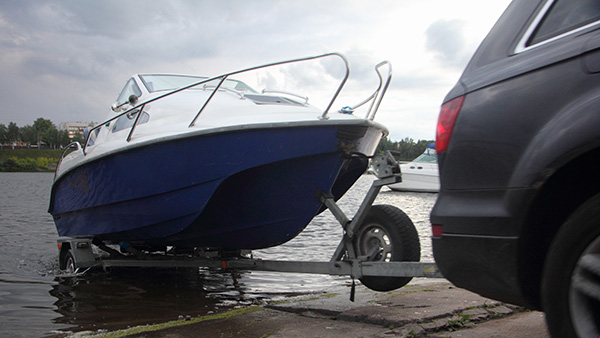
The first launch of the season is supposed to feel like a win. Instead, it’s often when boats remind you what sat all winter: batteries that won’t hold a charge, stiff controls, a cooling flow that’s weak, or a bilge pump that decides to quit on day one. Most of these problems are predictable, and a spring commissioning checklist is how you catch them while you’re still in the driveway or at the dock.
A good checklist is not about overthinking it. It’s about making sure the systems that keep you running, cooling, charging, and staying dry are actually ready. This quick pass also helps you avoid chasing symptoms on the water, where small issues turn into big interruptions fast.
Pre-Launch Walkaround And Hull Checks
Start with a slow walkaround and look for anything that has changed in storage. Check the hull and rub rail for fresh scuffs or cracks, and make sure drains and plugs are clean and in place. If your boat has a livewell or washdown, look for cracked fittings and brittle hoses, because winter storage can dry them out.
Inside, lift hatches and sniff around. Fuel vapor, mildew, or a sharp electrical smell are clues you want to address before you power anything up. This is also a good time to confirm the bilge is clean and dry so you can spot fresh water more quickly later.
Batteries, Charging, And Electrical Priorities
Batteries take a hit during the off-season, especially if they sat partially discharged. Clean the terminals, check for swelling, and confirm the connections are tight. If you have more than one battery, make sure the selector switch works and the cables are not corroded under the insulation.
Turn on the essentials one at a time and watch for weak voltage behavior like dim electronics or a slow-starting blower. If something acts flaky, do not ignore it and assume it will improve once you get moving. We’ve seen small voltage issues take out a day on the water because a connection looked fine but was actually loose or corroded.
Fuel System Readiness And Fresh Fuel Steps
Fuel issues are a top reason the first launch turns into a rough idle, stalling, or no-start. If the boat sat with old fuel, expect a varnish smell, sticky injectors on some setups, or a hard time building clean power. Check for obvious fuel leaks, inspect hoses for cracks, and confirm clamps are secure.
If your engine uses a fuel-water separator, replacing it early is cheap insurance. Water in fuel can mimic bigger problems, and it usually shows up right when you’re trying to leave the dock. This is also a good time to verify that the primer bulb, if equipped, is firm and not collapsing when the engine runs.
Cooling System, Raw Water Flow, And Overheat Prevention
A strong cooling flow is one of the most important spring checks. For raw-water-cooled systems, confirm the intake is clear and the strainer is clean. If the boat was stored where debris could get into the pickup, you can have a partial blockage that only shows up under load.
Impellers are another common spring issue. An old impeller can look fine but still shed vanes, reducing flow and triggering an overheat chain reaction. If you are unsure how old it is, treat it like a wearable item and plan service accordingly. A quick inspection of hoses and clamps around the cooling path also helps prevent a small seep from becoming a hot-running problem on a busy weekend.
Belts, Fluids, And Signs Of Storage Wear
Belts can glaze or crack while sitting, and they do not get better once you start running them hard. Check belt condition and tension, and look for black dust near pulleys that can suggest slip. Hoses should feel firm but not brittle, and any soft, swollen, or cracked hose should be replaced before it fails under pressure.
Fluid checks are simple but worth doing carefully. Look at engine oil level and condition, check gear lube if applicable, and confirm power steering and trim fluids are at the correct level. This is also where regular maintenance pays off, because fresh fluids protect internal parts and help you spot new leaks sooner.
Safety Gear And Onboard Systems Checklist
Spring is when you find out what got borrowed, what expired, and what stopped working quietly. Before launch day, confirm the safety basics and the systems that keep you from getting stranded.
- Verify bilge pump operation, including the float switch
- Check navigation lights, horn, and any required signaling devices
- Confirm fire extinguisher charge status and expiration date
- Test the blower, especially on inboard and I/O setups
- Inspect dock lines, fenders, and the anchor setup
- Make sure life jackets fit and are actually on board
If anything fails here, fix it before you launch. It’s much easier to sort this out on land than it is when you’re trying to troubleshoot at the dock with other boats waiting.
Dockside Start-Up And Short Sea Trial Notes
When you first start the engine, listen and watch like you mean it. You want a stable idle, predictable throttle response, and cooling flow that looks normal. Pay attention to any alarms, unusual smoke, or fuel smell, and verify the charging system is keeping voltage where it should be.
Then do a short run close to home base. Check that steering feels smooth, shifting is consistent, and trim responds normally. If the boat hesitates, surges, or runs hotter than expected, stop and address it. This is the moment where a small adjustment can save a full weekend, and it’s why a seasonal inspection is so valuable before you commit to a long run.
Get Spring Commissioning In San Diego, CA With Bulletproof Marine Services
If you’re getting ready for the first launch and want it to go smoothly, the next step is to book a service so the key systems are checked and any weak points are addressed before they turn into a shutdown on the water.
Schedule service with Bulletproof Marine Services in San Diego, CA, to get your boat ready for the season with reliable starts, steady cooling, and fewer surprises once you leave the dock.